End-to-End ERP Consulting: From Planning to Post-Go-Live Support
Enterprise Resource Planning (ERP) systems have become the backbone of modern organizations, enabling businesses to streamline operations, centralize data, and improve decision-making. However, implementing an ERP system is far more than a technology project—it’s a business transformation initiative.
Explore our services: https://clientbridge.ai/services/
What Is End-to-End ERP Consulting?
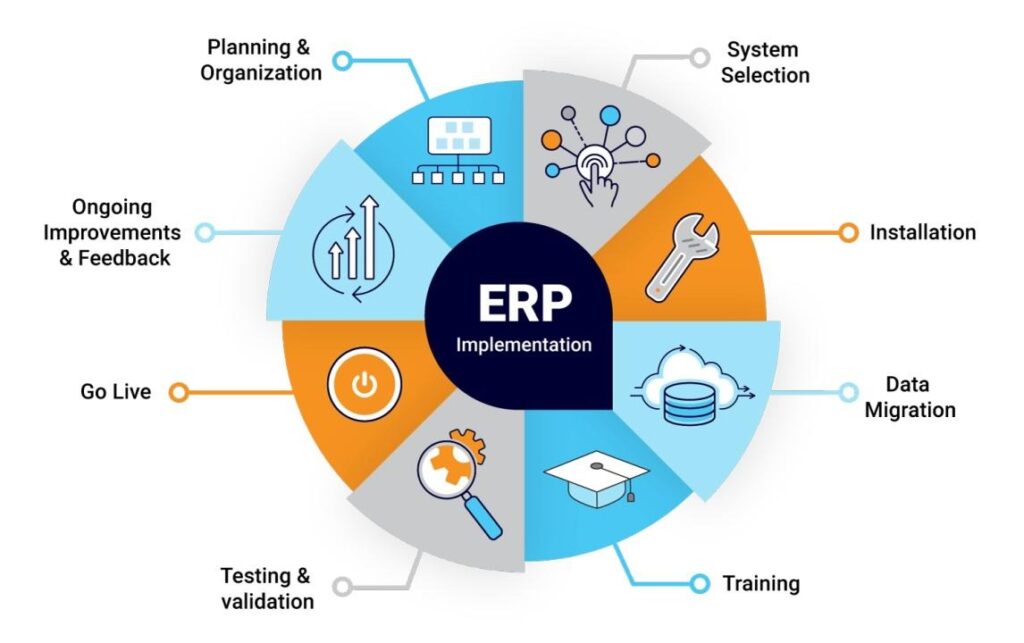
End-to-end ERP consulting encompasses the complete lifecycle of an ERP implementation, including:
Business process assessment
ERP strategy and planning
System selection
Implementation and configuration
Data migration
User training
Go-live support
Post-implementation optimization
Rather than focusing solely on deployment, ERP consultants help ensure that technology aligns with business goals and continues to deliver measurable outcomes over time.
Why Businesses Need ERP Consulting
ERP projects often involve multiple departments, complex integrations, and significant organizational change.
Common challenges include:
Unclear business requirements
Resistance to change
Data migration issues
Integration complexities
Budget overruns
Limited internal expertise
Research on ERP implementation methodologies consistently shows that a structured approach is critical to achieving successful outcomes and minimizing project risks.
Phase 1: ERP Planning and Discovery
Successful ERP implementations begin with discovery.
During this phase, consultants work closely with stakeholders to understand:
Existing business processes
Operational challenges
Growth objectives
System limitations
Reporting requirements
This assessment helps establish a roadmap for implementation and ensures that business priorities remain central throughout the project.
ClientBridge’s advisory and optimization services help organizations evaluate their current environment and prepare for digital transformation initiatives.
Phase 2: ERP Strategy and Platform Selection
Choosing the right ERP platform is one of the most important decisions an organization will make.
Factors typically considered include:
Scalability
Industry requirements
Integration capabilities
User experience
Total cost of ownership
Cloud readiness
Whether implementing Workday or another cloud ERP platform, selecting a solution that aligns with organizational goals is essential for long-term success.
Cloud ERP adoption continues to grow because of its flexibility, scalability, and lower infrastructure requirements, particularly among small and medium-sized businesses.
Phase 3: Implementation and Configuration
Once a platform is selected, the implementation phase begins.
Key activities include:
System configuration
Workflow design
Security setup
Integration development
Testing and validation
ClientBridge’s Workday Deployment Support services cover the implementation process from setup through launch, helping organizations navigate technical and operational challenges. (Client Bridge)
ERP consulting firms that follow structured methodologies are often better positioned to deliver projects on time and within budget.
Phase 4: Data Migration and Integration
Data is one of the most valuable assets within an organization.
ERP consultants help businesses:
Clean existing data
Map data fields
Validate records
Migrate historical information
Integrate third-party systems
Common integrations include:
CRM platforms
Payroll systems
Financial applications
HR systems
Business intelligence tools
Proper data migration planning helps reduce operational disruptions and improves confidence during go-live.
Phase 5: User Training and Change Management
Technology alone doesn’t drive success-people do.
User adoption is one of the most important factors influencing ERP outcomes.
Effective change management includes:
Role-based training
Stakeholder communication
User documentation
Workshops and demonstrations
Leadership engagement
Organizations that prioritize training and communication often experience smoother transitions and higher adoption rates.
Phase 6: Go-Live Support
Go-live marks the transition from implementation to operational use.
During this critical phase, consultants typically provide:
Real-time issue resolution
System monitoring
User support
Performance tracking
Risk mitigation
Having experienced consultants available during go-live helps businesses minimize disruptions and maintain continuity.
ClientBridge’s deployment support services are designed to help organizations navigate this transition confidently.
Phase 7: Post-Go-Live Support and Optimization
Go-live marks the transition from implementation to operational use.
During this critical phase, consultants typically provide:
Real-time issue resolution
System monitoring
User support
Performance tracking
Risk mitigation
Having experienced consultants available during go-live helps businesses minimize disruptions and maintain continuity.
ClientBridge’s deployment support services are designed to help organizations navigate this transition confidently.
Conclusion
ERP implementations are complex initiatives that require strategic planning, technical expertise, and continuous support. From discovery and platform selection to deployment and post-go-live optimization, every stage plays a critical role in achieving long-term success.
Organizations that invest in end-to-end ERP consulting are better equipped to reduce risks, improve adoption, and maximize the value of their technology investments.
Follow us on instagram: https://www.instagram.com/client.bridge/
FAQs
1. What is ERP consulting?
ERP consulting involves helping organizations plan, implement, optimize, and support ERP systems throughout their lifecycle.
2. Why is post-go-live support important?
Post-go-live support helps organizations address issues, improve performance, and maximize user adoption after implementation.
3. What is Phase X in ERP?
Phase X refers to ongoing enhancements, optimizations, and maintenance activities performed after the initial ERP deployment.
4. How long does an ERP implementation take?
Implementation timelines vary depending on business size, complexity, integrations, and organizational requirements.
5. Does ClientBridge provide Workday consulting?
Yes. ClientBridge offers Workday pre-deployment assistance, deployment support, advisory services, and post-production maintenance.